Tashkent, Uzbekistan – 18 October 2026
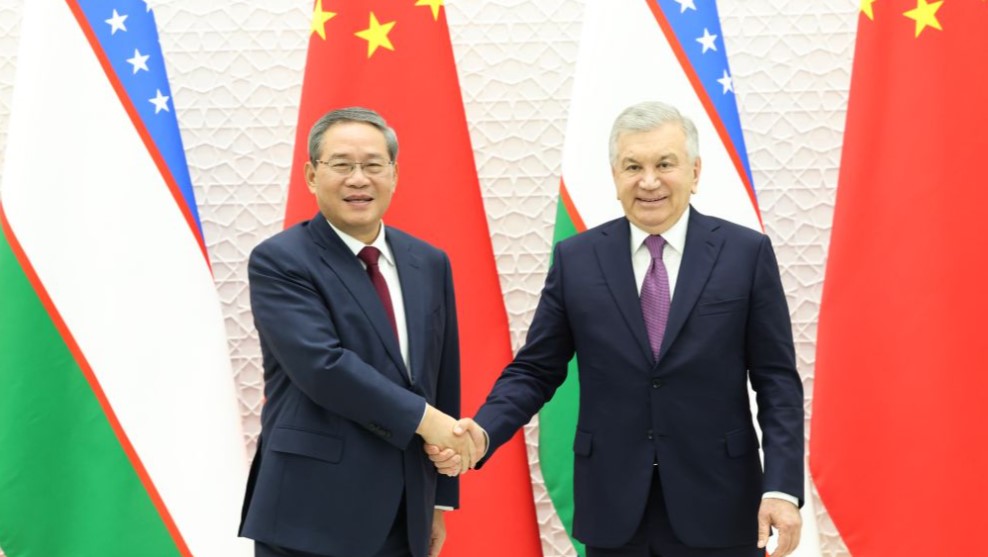
During a meeting with Uzbek President Shavkat Mirziyoyev in Tashkent on 17 October, Chinese Premier Li Qiang confirmed China’s readiness to support the high-quality implementation of the China–Kyrgyzstan–Uzbekistan railway project.
The discussions formed part of wider efforts to strengthen economic cooperation, infrastructure development and trade connectivity between China and Uzbekistan.
Uzbekistan also expressed its commitment to accelerating construction of the railway, highlighting the importance both countries place on improving transport links across Central Asia.
A Strategic Railway Connecting Three Nations
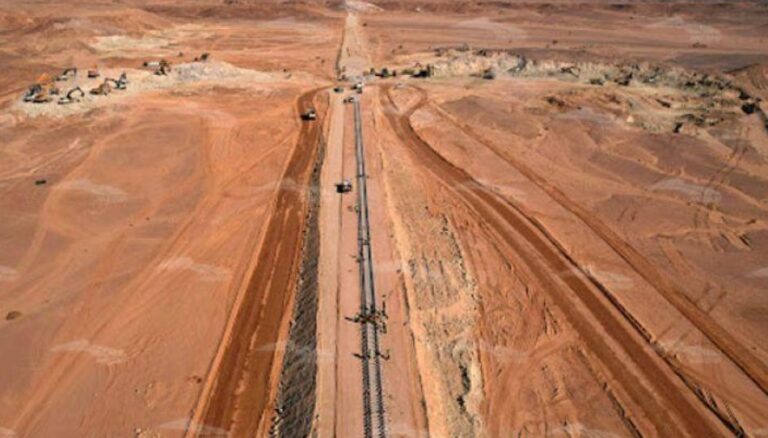
The China–Kyrgyzstan–Uzbekistan Railway is one of Central Asia’s most strategically significant transport infrastructure projects.
The proposed railway will establish a more direct connection between western China and Uzbekistan through Kyrgyzstan, creating new opportunities for international freight movements and regional economic development.
The railway is expected to:
- Strengthen freight connectivity between China and Central Asia.
- Provide an additional international trade corridor towards western markets.
- Reduce reliance on existing, longer transport routes.
- Support logistics development and economic activity along the corridor.
- Improve integration between national railway networks.
The project is also closely associated with China’s Belt and Road Initiative, which seeks to strengthen international infrastructure and trade connectivity.
Engineering Challenges Along the Corridor
The railway presents significant engineering and construction challenges, particularly through the mountainous terrain of Kyrgyzstan.
Key technical considerations include:
1. Tunnels and Mountainous Terrain
The alignment requires extensive tunnelling and complex civil engineering works through challenging geological conditions. Tunnel excavation methods, ground stability, construction logistics and safety systems will be critical considerations.
2. Railway Gauge Interfaces
China operates a standard-gauge railway network of 1,435 mm, while Kyrgyzstan and Uzbekistan predominantly use 1,520 mm broad gauge.
Managing this difference will be an important aspect of cross-border freight operations, requiring appropriate gauge-transfer facilities and operational arrangements.
3. High-Altitude Railway Construction
Mountainous terrain introduces challenges associated with steep gradients, extreme weather, geotechnical stability and access for construction equipment.
4. Railway Systems Integration
The project will require coordination of track, signalling, telecommunications, traction power where applicable, operational systems and border-crossing infrastructure.
Strengthening Regional Railway Connectivity
Beyond the railway itself, China and Uzbekistan are seeking to expand cooperation in infrastructure, energy, finance, technology and international trade.
The CKU Railway could provide a new strategic link between China’s railway network and Central Asian transport corridors, supporting future freight connections towards the Middle East and Europe.
In August 2026, Chinese President Xi Jinping also emphasised the importance of high-quality construction of the railway during discussions with Kyrgyzstan’s leadership.
The latest statement by Premier Li Qiang further reinforces the political commitment behind the project.
Outlook
While the latest announcement does not establish a revised completion date or construction milestone, it demonstrates continued high-level support for the railway’s implementation.
The project’s long-term success will depend on effective coordination between the three participating countries, delivery of complex mountain infrastructure, and the development of efficient cross-border railway operations.
For the international railway industry, the CKU Railway remains an important project to watch as Central Asia expands its role in Eurasian freight connectivity.
Related Railway News