Abu Dhabi, UAE — Abu Dhabi is moving forward with the development of its planned light rail network, with a new procurement step launched for the first phase of the Abu Dhabi Light Rail Transit Line 4 (LRT4/ADT4) project.
Abu Dhabi Transport Company (ADT) has issued a request for prequalification to consultants for project management engineering consultancy services covering the first phase of the light rail transit network.
The prequalification notice was issued on 7 September 2026, with submissions currently scheduled to close on 9 November 2026.
19km Light Rail Corridor with 23 Stations
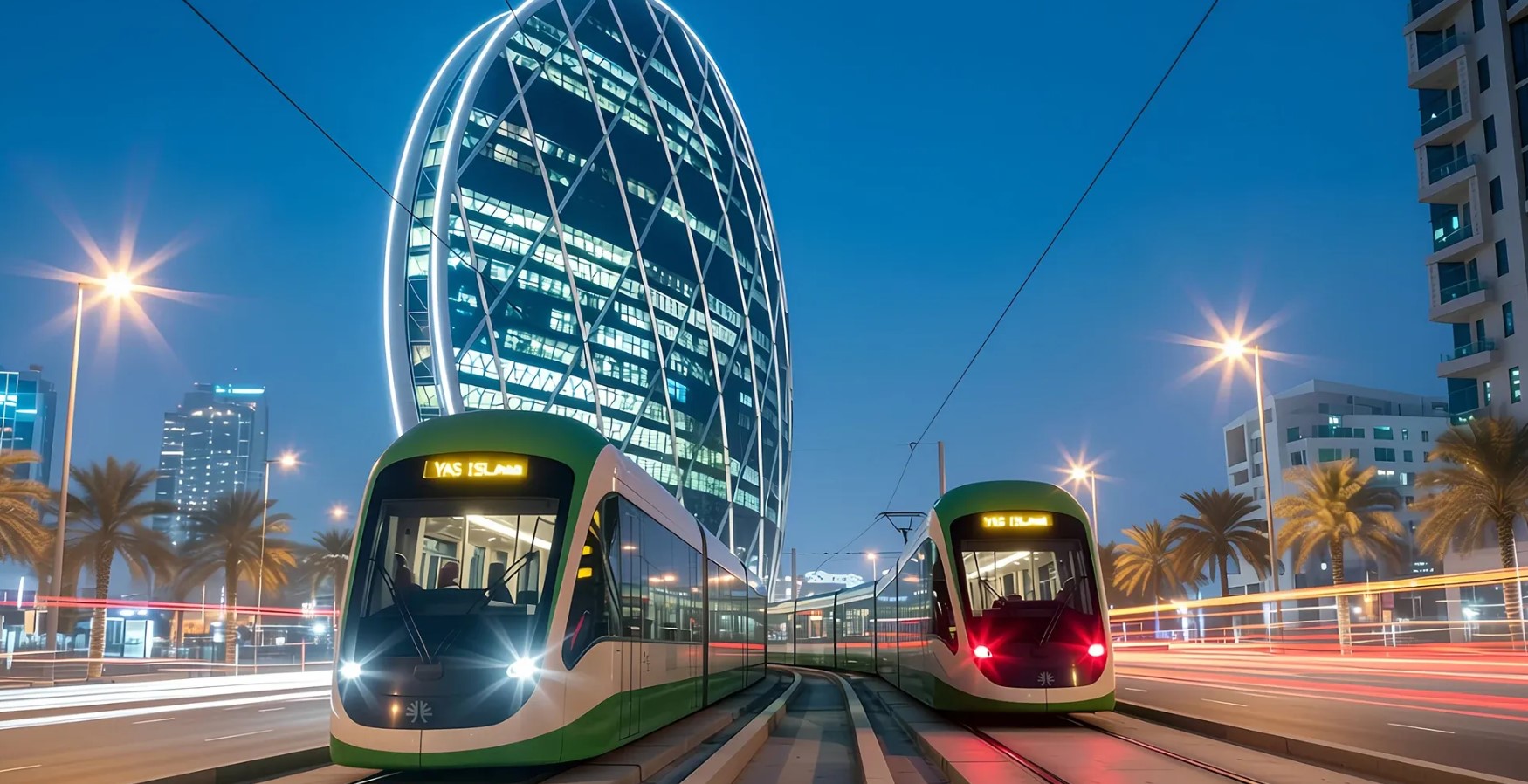
The first phase of LRT4 is planned as a 19-kilometre light rail corridor with 23 stations, providing a new public transport connection between Zayed International Airport, Yas Island, Al Raha Beach and Khalifa City.
The development is intended to strengthen public transport connectivity between the airport and some of Abu Dhabi’s major residential, commercial, leisure and tourism destinations.
One of the principal sections will connect Zayed International Airport Terminal A with Yas Island, running through the Yas tunnel towards Yas Gateway Park and serving destinations including Yas Bay, Yas Plaza, Yas Mall, SeaWorld and surrounding developments.
This section is reported to extend approximately 13 kilometres, incorporating 13 at-grade stations and one underground station.
Major Integrated Rail Project
LRT4 is being developed as a comprehensive urban rail system rather than simply a civil infrastructure project.
Earlier information released by Abu Dhabi Transport Company for the project’s design-and-build procurement identified a scope covering civil works, MEP infrastructure, stations, trackwork and the supply of 25 trams.
The railway systems scope is also expected to include signalling, telecommunications, SCADA and power systems, together with a new depot supporting operation and maintenance of the line.
Design, procurement, construction, testing, commissioning and certification are expected to form part of the overall delivery programme.
Supporting Abu Dhabi’s Multimodal Transport Strategy
The LRT programme forms part of Abu Dhabi’s wider ambition to develop a more integrated and sustainable public transport network.
Abu Dhabi Transport Company describes the planned LRT as a means of connecting key destinations while integrating residential, commercial and tourism districts with existing and future transport modes.
According to ADT’s published information, the planned light rail vehicles are expected to be approximately 40 metres long, with maximum service speeds of up to 100 km/h and capacity of around 6,630 passengers per hour per direction.
The system is intended to provide a reliable alternative to private vehicles while supporting reduced road congestion and more sustainable urban development.
Project Moving Further Towards Delivery
The latest consultancy prequalification represents another step in the development of LRT4.
In October 2025, Abu Dhabi Transport Company had already invited expressions of interest from qualified rolling stock and civil organisations for the design and build package for the project.
The latest move to procure project management engineering consultancy services indicates continued progress in establishing the professional and delivery structure required for the first phase of the network.
With its airport connection and links to Yas Island, Al Raha Beach and Khalifa City, LRT4 is set to become an important component of Abu Dhabi’s developing urban rail and multimodal transport network.
Related Railway News