🇸🇪 SWEDEN — Alstom and Swedish technology company Flox Intelligence are conducting extensive field trials of an artificial intelligence-based wildlife detection and deterrence system designed to reduce animal collisions on railway lines in Sweden.
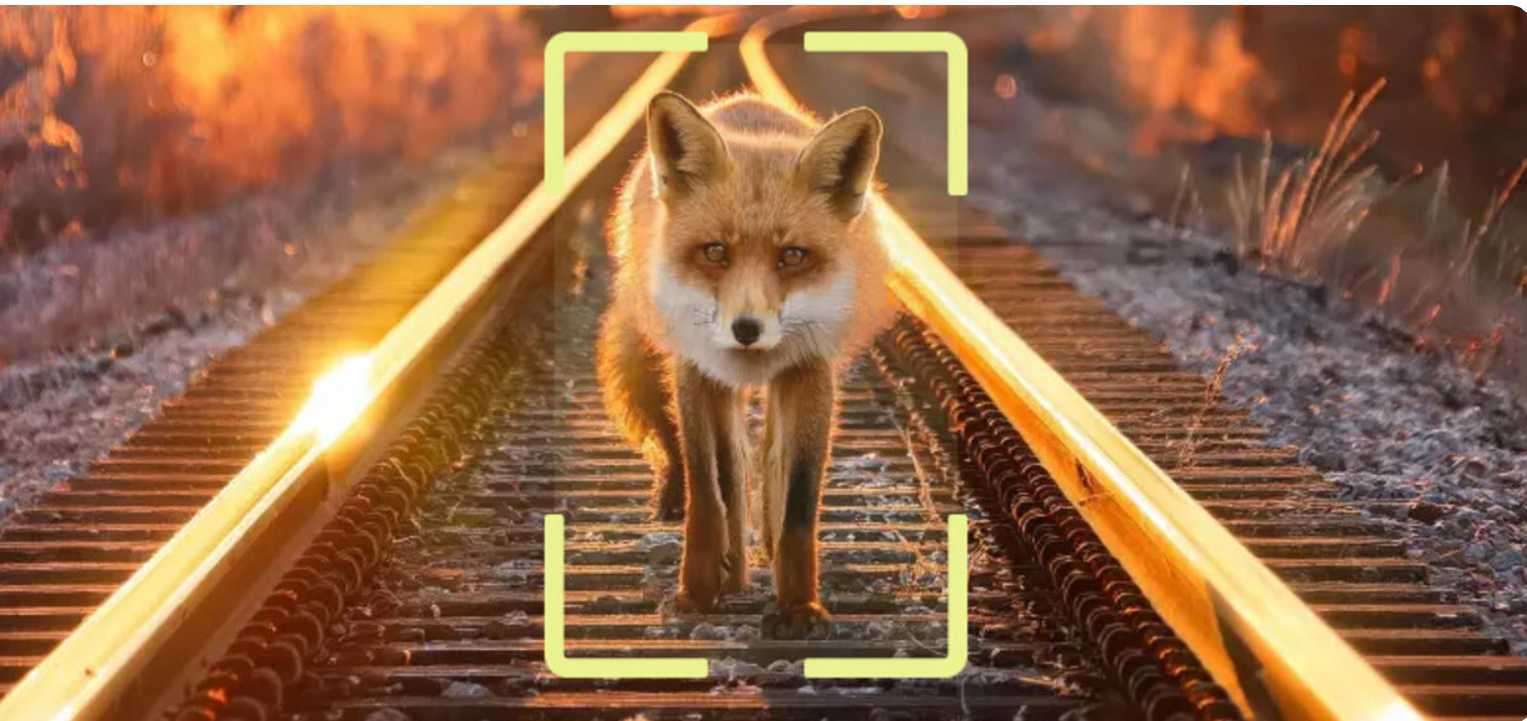
The innovative technology uses AI-powered cameras to detect and identify animals approaching or moving near railway tracks in real time. Once an animal is identified, the system can activate tailored audio signals intended to deter the animal and encourage it to move away from the railway.
The initiative aims to reduce wildlife collisions while improving railway safety, operational reliability and train punctuality, as well as protecting biodiversity and improving working conditions for train drivers.
AI Detects Animals in Real Time
The system combines artificial intelligence, video detection and wildlife deterrence technology.
AI-enabled cameras monitor the railway environment and identify animals entering areas close to the tracks. The system can then activate an appropriate acoustic deterrent designed to move the animal away from the railway before a train arrives.
During the first phase of testing, the AI system successfully identified several species commonly found near Swedish railway corridors, including moose, roe deer, foxes and wild boar.
A second implementation phase began in April 2026, expanding the trials to include the complete system combining both video-based wildlife detection and acoustic deterrence.
The approach represents a move from simply monitoring wildlife towards an active system capable of detecting a potential hazard and responding automatically.
Trials Across Several Swedish Railway Lines
The trials are being conducted in cooperation with regional railway authority Tåg i Bergslagen and train operator VR.
Testing has taken place across several railway routes in Sweden, including:
- Dalabanan
- Bergslagsbanan
- Godsstråket genom Bergslagen
- Bergslagenpendeln
Alstom has a partnership agreement with Tåg i Bergslagen focused on developing and evaluating innovative railway technologies, with the wildlife detection project forming part of this cooperation.
The programme also receives support from Vinnova, Sweden’s innovation agency, and contributes to wider Swedish and European efforts to develop safer and more sustainable transport systems.
Around 5,000 Animal Collisions Reported Each Year
Wildlife collisions represent a significant operational problem for Sweden’s railway network.
Around 5,000 animal collisions are reported annually on Swedish railways.
Such incidents have consequences extending beyond wildlife fatalities. Animal strikes can cause train delays, damage requiring repairs, disruption to railway operations and associated economic costs.
They can also have a significant emotional impact on train drivers involved in collisions.
Reducing these incidents could therefore provide benefits across several areas, including railway punctuality, asset protection, operational reliability, environmental protection and staff wellbeing.
AI Continues Learning from Wildlife Detection
An important aspect of the technology is its ability to collect information about wildlife activity along railway corridors.
Every animal detection is categorised, allowing the AI system to improve its recognition capabilities as additional data becomes available.
The trials have also detected smaller animals and birds that historically have not been well represented in conventional railway wildlife statistics.
Testing found particularly good identification performance for farm animals and birds such as crows and pigeons. Identification of some large wildlife species, including moose and roe deer, required additional AI training to reach comparable levels of accuracy.
The information generated could potentially provide railway infrastructure managers with a more detailed understanding of animal movements, wildlife hotspots and the effectiveness of existing protective measures such as fencing.
Combining Railway Engineering with Wildlife Management
The project demonstrates how artificial intelligence could complement conventional railway wildlife protection measures.
Traditional approaches typically rely on physical measures such as fencing, wildlife crossings and barriers to prevent animals from entering the railway corridor.
An intelligent detection system introduces an additional layer of protection by actively monitoring areas where animals may approach the railway.
Conceptually, the process can be represented as:
Wildlife Detection → AI Classification → Threat Assessment → Targeted Acoustic Deterrence → Event Recording → Data Analysis
Such technology could potentially be particularly useful at known wildlife collision hotspots or locations where continuous physical barriers are difficult to implement.
Improving Railway Reliability and Biodiversity Protection
For railway operators, preventing an animal from entering the track area can avoid an incident before it affects railway operations.
This could reduce unscheduled train stops, infrastructure or rolling stock inspections following collisions, repair requirements and disruption to passenger and freight services.
At the same time, the technology provides an opportunity to reduce the impact of railway infrastructure on wildlife.
According to Alstom, the field trials have already provided greater insight into which species move close to railway tracks and how effective existing wildlife fencing is.
The programme therefore combines railway safety, artificial intelligence, operational resilience and environmental protection within a single application.
A Potential New Tool for Railway Safety
If the technology proves effective during extended operation, AI-based wildlife detection and deterrence could become another tool available to railway infrastructure managers for managing animal-strike risks.
Rather than replacing conventional fencing and wildlife crossings, intelligent detection systems could complement existing infrastructure by providing active protection at selected high-risk locations.
The Swedish trials also demonstrate a broader trend within the railway industry: increasing use of artificial intelligence and real-time monitoring to identify hazards before they develop into operational incidents.
For networks experiencing frequent wildlife collisions, such systems could offer a new approach to improving railway reliability while simultaneously protecting animals living alongside railway corridors.
Source: Alstom / Flox Intelligence
Country: Sweden 🇸🇪
Sector: Railway Technology / Artificial Intelligence / Railway Safety
Companies: Alstom, Flox Intelligence
Project Partners: Tåg i Bergslagen, VR
Innovation Support: Vinnova
Related Railway News