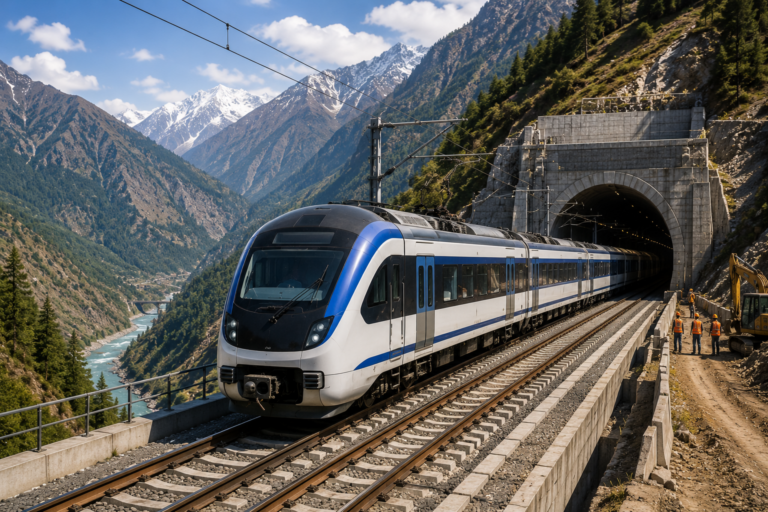
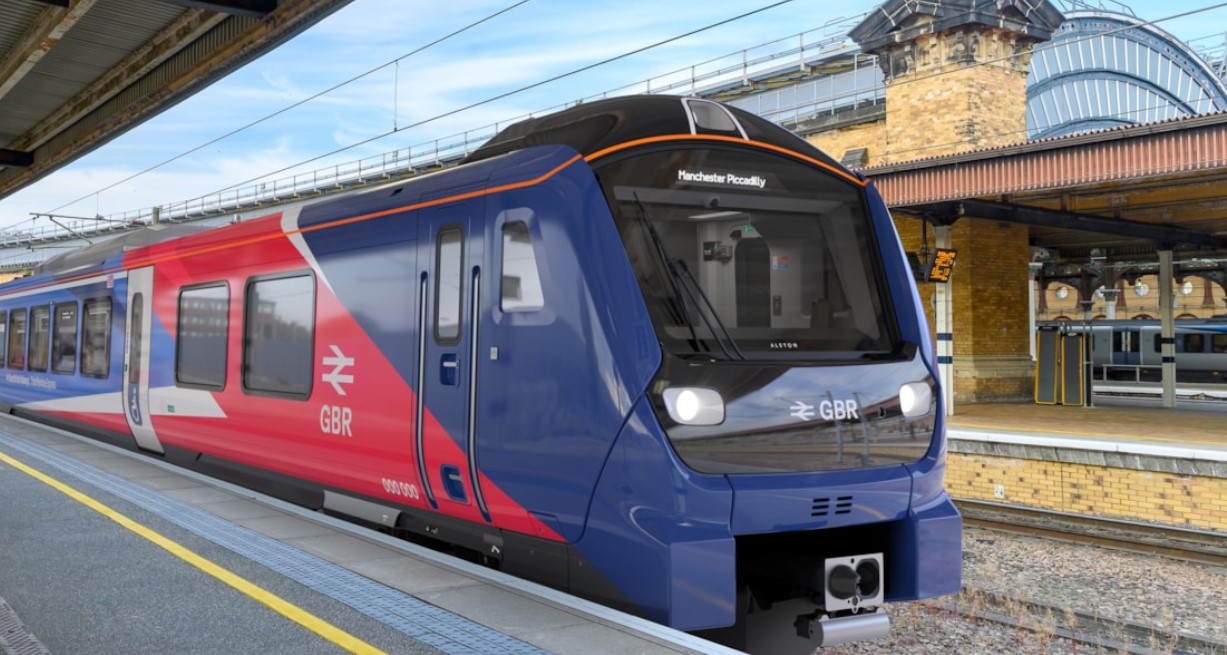
ransPennine Express (TPE) has ordered 29 new Alstom Adessia Stream battery-electric trains as part of a £1 billion fleet investment aimed at increasing capacity and improving passenger services across the Transpennine network in northern England.
The new British-built trains will be manufactured at Alstom’s Litchurch Lane Works in Derby and are expected to enter passenger service from winter 2034. According to Network Rail, they will be among the first battery-electric trains to operate on a UK main line.
The fleet investment forms part of the wider Transpennine Route Upgrade (TRU), the £11 billion programme transforming the railway between Manchester, Huddersfield, Leeds and York.
29 New Adessia Stream Trains
The order covers 29 Alstom Adessia Stream trains, combining electric operation with onboard battery technology.
Battery-electric capability will allow the trains to operate beyond continuously electrified sections of the network while reducing dependence on diesel traction. The fleet will complement the extensive electrification currently being delivered through TRU.
The trains are also being designed around improved passenger accessibility. Features announced for the new fleet include:
- level boarding at every doorway;
- three dedicated wheelchair spaces per train;
- two accessible toilets;
- family-friendly areas; and
- dedicated buggy spaces.
Level boarding is expected to enable passengers to board and leave trains independently at the vast majority of stations served by the fleet.
Supporting the Transpennine Route Upgrade
The new rolling stock will operate alongside major infrastructure improvements being delivered through TRU.
The programme is creating a fully electrified railway between Manchester and York, while increasing capacity, upgrading stations and introducing infrastructure intended to support faster and more reliable passenger services.
Once complete, TRU is expected to reduce journey times by up to 10 minutes between Manchester and Leeds and up to 14 minutes between Manchester and York. Overall route capacity is expected to increase by around 30%.
The programme will also double the number of tracks at selected locations, introduce digital signalling and improve all 23 stations along the route.
Network Rail says approximately 25% of the 70-mile Transpennine route has already been electrified, with electric services operating between Manchester and Stalybridge and between York and Church Fenton.
British Manufacturing
Manufacturing the new fleet at Alstom’s Litchurch Lane facility in Derby also represents a significant investment in Britain’s rail manufacturing sector.
Alstom has been developing its Adessia platform as its new generation of regional and commuter trains. The TransPennine order will bring the battery-electric variant to one of the UK’s principal intercity rail corridors.
The investment therefore brings together infrastructure electrification, battery technology and UK rolling-stock manufacturing as the railway moves towards lower-emission passenger operations.
Future Operation Under Great British Railways
The new Adessia Stream fleet is ultimately expected to operate under Great British Railways (GBR).
The approach reflects the wider integration being pursued through TRU, which brings together Network Rail, TransPennine Express, Northern, the Department for Transport and other programme partners across infrastructure and railway operations.
The combination of new rolling stock and upgraded infrastructure is intended to provide more frequent services, additional seats, improved accessibility and greater reliability for passengers travelling across the North of England.
With the new trains planned to enter service in winter 2034, the £1 billion procurement represents a major long-term rolling-stock commitment alongside the continuing transformation of the Transpennine corridor.
Related Railway News