LIVE

Technical Articles

Neutral Section_Railbays

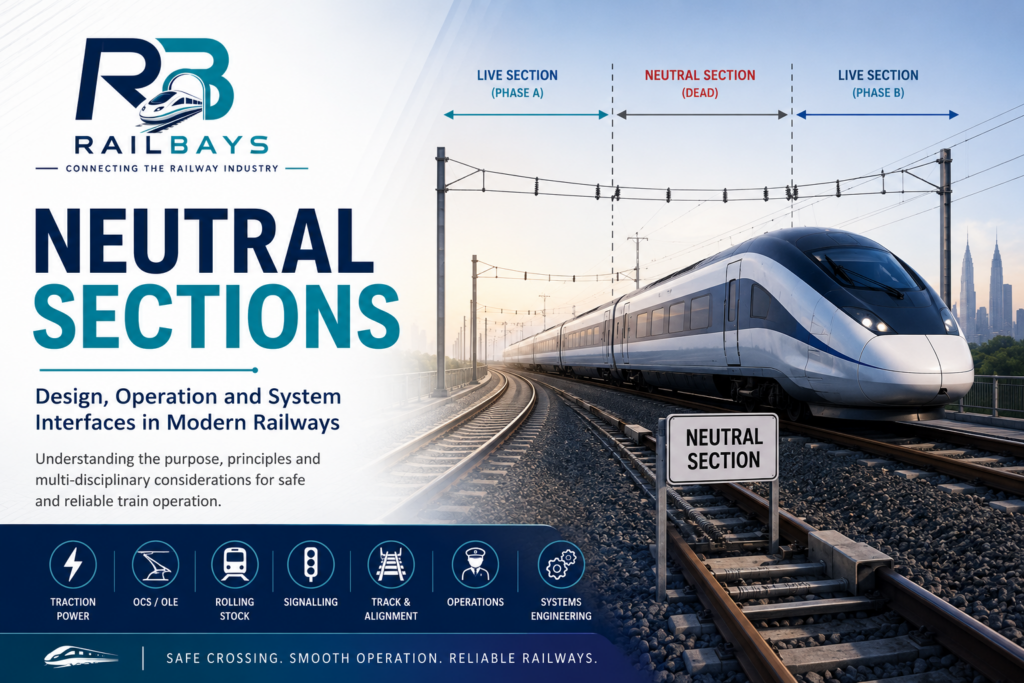
Railway Neutral Sections – Why The Gaps in the Power Supply

For passengers travelling on an electrified railway, the overhead contact system can appear to be one continuous electrical supply stretching for kilometres along the railway.Electrically, however, it is anything but continuous.A railway electrification system is divided into electrical sections supplied from different feeding points. At certain boundaries, those supplies must be prevented from being electrically

Railway Neutral Sections – Why The Gaps in the Power Supply Read More »
Understanding the Track as an Engineering System -Track Engineering – Part 1

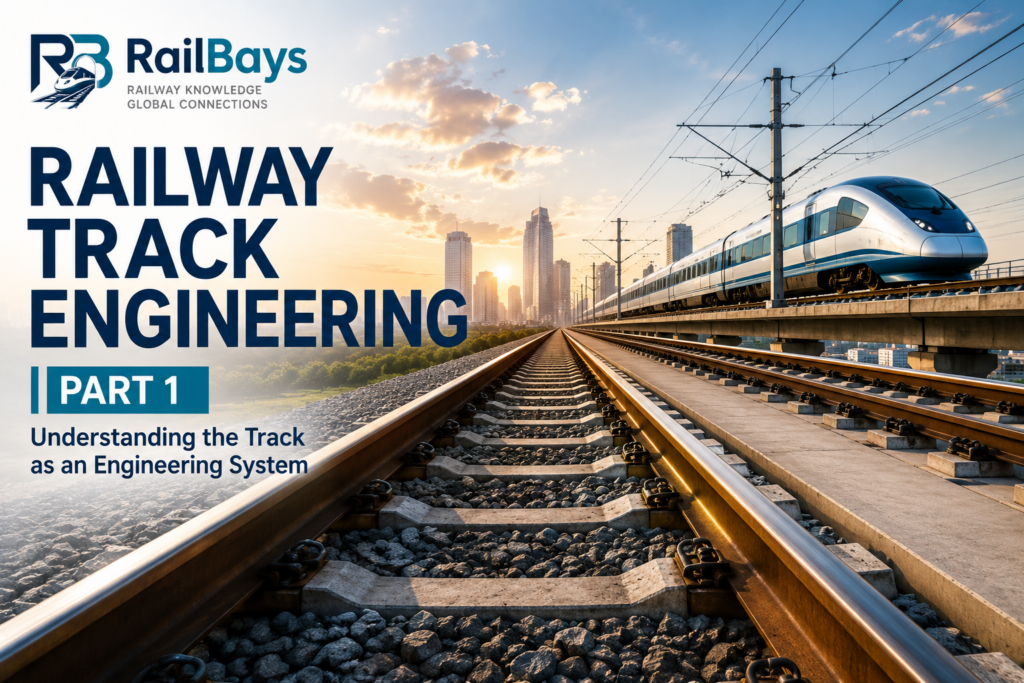
Introduction Two rails separated by a fixed distance may be the most recognisable feature of a railway, but railway track is much more than the surface on which trains run. A modern track is a carefully engineered system that must guide a train travelling at speed, transfer repeated wheel loads into the ground or supporting

Understanding the Track as an Engineering System -Track Engineering – Part 1 Read More »

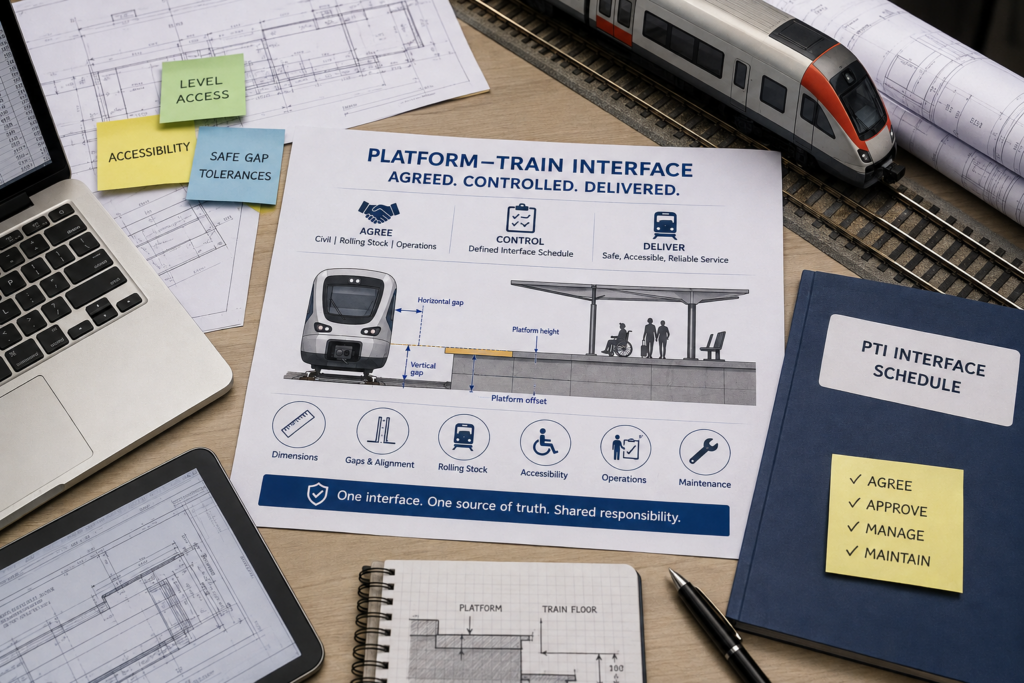
Accessible Railways and the Platform Train Interface (PTI)

Understanding BS EN 16586-2:2025 – Part 1: Designing the Interface for Level and Accessible Boarding Introduction For many passengers, boarding a train is an almost unnoticed part of a railway journey. A passenger walks across the platform, steps over the small gap at the doorway and enters the vehicle. For a wheelchair user, an elderly

Accessible Railways and the Platform Train Interface (PTI) Read More »

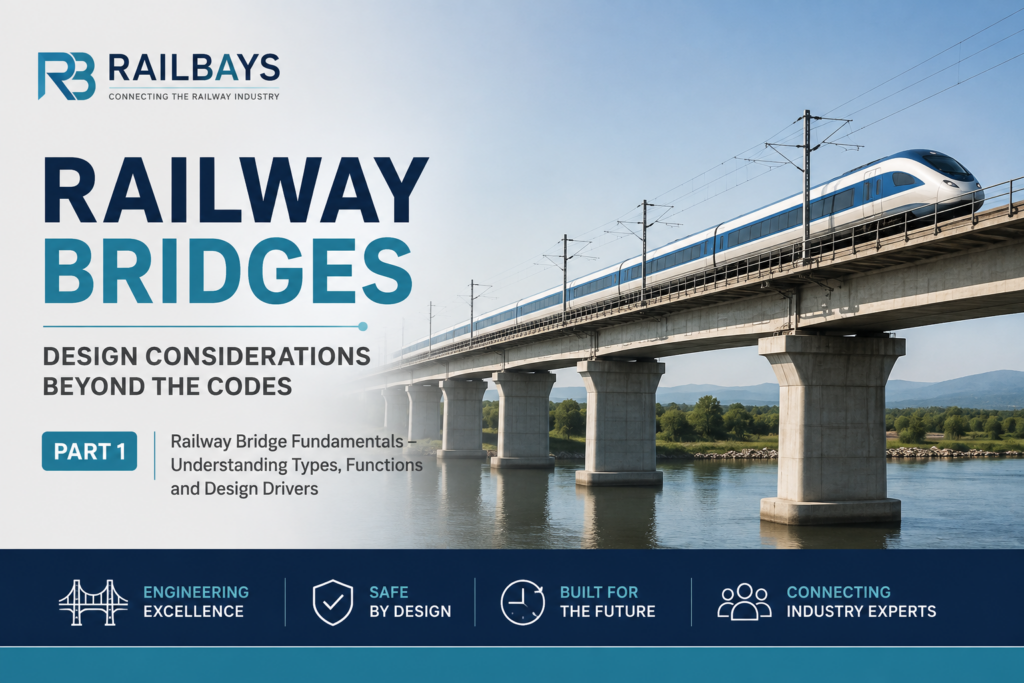
Railway Bridges Part 1

Railway Bridges – Design Considerations Beyond the Codes – P1

Part 1 Railway Bridge Fundamentals – Understanding Types, Functions and Design Drivers Introduction Railway bridges are among the most critical assets within any railway network. They provide safe and continuous passage across rivers, highways, valleys, existing rail corridors and other physical obstacles while carrying some of the highest repetitive loads experienced by civil infrastructure. Unlike

Railway Bridges – Design Considerations Beyond the Codes – P1 Read More »

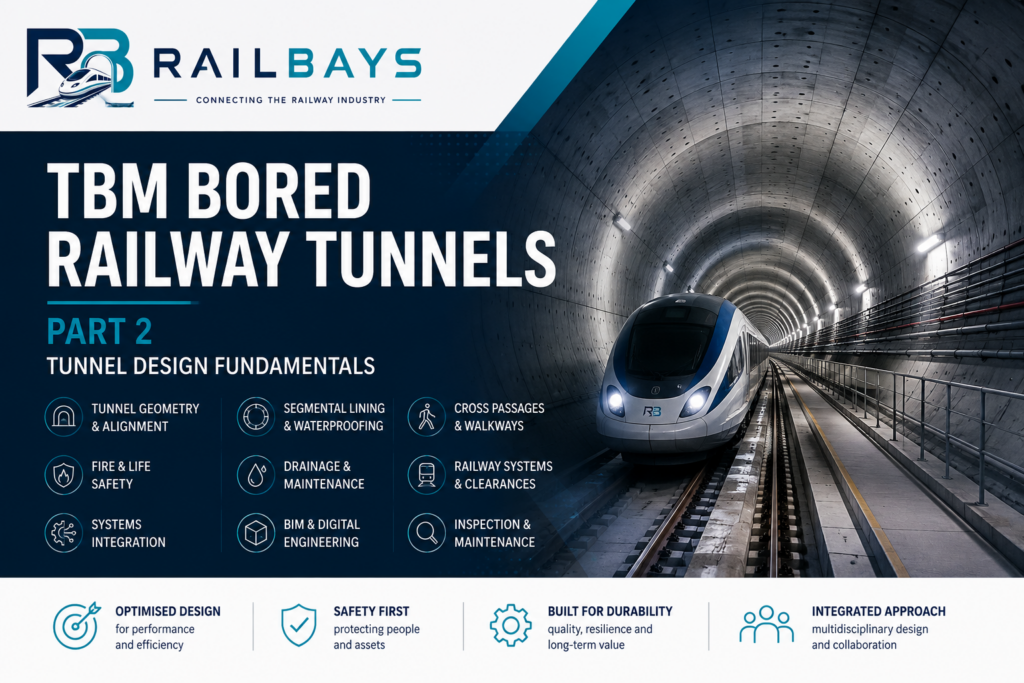
TBM Bored Railway Tunnels – Part 2

TBM Bored Railway Tunnels – Part 2

Tunnel Design Fundamentals Introduction Following the overview of Tunnel Boring Machines (TBMs) in Part 1, this article focuses on the key engineering principles involved in designing bored railway tunnels. Tunnel design extends far beyond selecting the excavation method. Engineers must determine the optimum tunnel geometry, design the segmental lining, ensure long-term waterproofing, provide emergency escape

TBM Bored Railway Tunnels – Part 2 Read More »

Why AI-Powered Train Number Recognition is Replacing Manual Logging

Summary Railway operators have traditionally relied on manual observation and logging to identify passing trains, a process that is labour intensive, prone to human error, and increasingly unsuitable for modern high-frequency rail networks. Advances in artificial intelligence and computer vision are now transforming this task through automated train number recognition systems. AI-powered Train Number Recognition

Why AI-Powered Train Number Recognition is Replacing Manual Logging Read More »

Systems Integration: The Foundation of Successful Railway Projects

By Tasneem AhmedEditorial adaptation by RailBays based on the author’s original LinkedIn article. Published with permission. Introduction Modern railway projects are among the most complex engineering programmes ever undertaken. A single railway corridor can involve hundreds of suppliers, thousands of interfaces, and numerous safety-critical systems working together to transport passengers safely and efficiently. While public

Systems Integration: The Foundation of Successful Railway Projects Read More »

Railway Maintenance: Why It Is an Investment, Not a Cost

Summary and adaptation by: RailBays Editorial Team 🟩 Republished with Permission Originally published on LinkedIn by Andrew Wagener. Republished with the author’s permission. Introduction In many industries, maintenance is often viewed as an operational expense that should be minimised. However, in the railway sector, this perspective can be costly. Every locomotive, passenger coach, freight wagon

Railway Maintenance: Why It Is an Investment, Not a Cost Read More »

The Relationship Between FTA and FMECA in Rolling Stock Design

Editorial Note This article is an original summary and technical adaptation prepared by the RailBays Editorial Team, based on the original work of Hassanali Alikhani. Published on RailBays with the author’s permission. The original LinkedIn article and the author’s LinkedIn profile are credited below. EDITORIAL SUMMARY Introduction Modern metro systems demand exceptionally high levels of

The Relationship Between FTA and FMECA in Rolling Stock Design Read More »

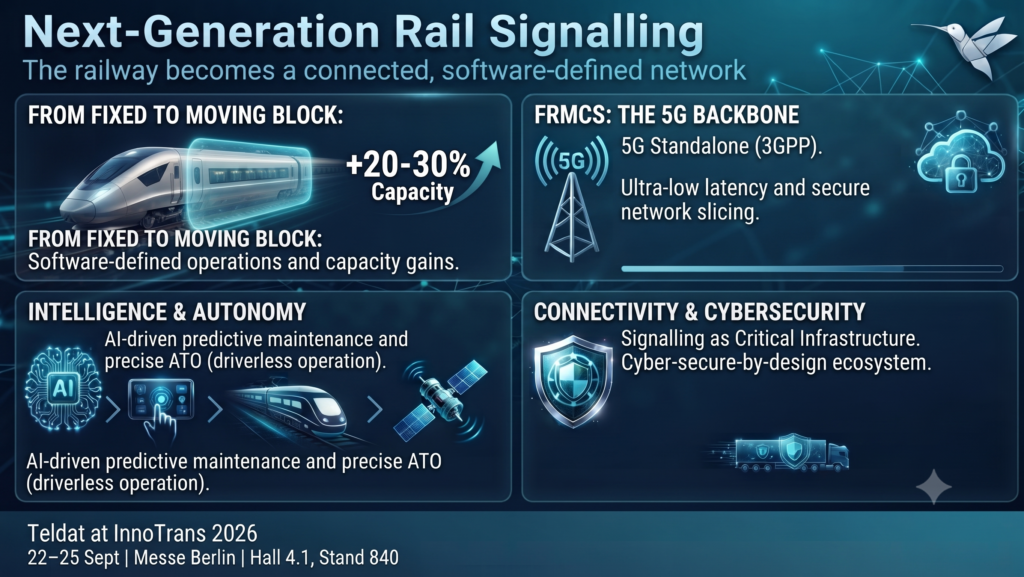
The Nervous System of the Railway: Next-Generation Train Signalling

A featured technical article by Teldat, republished on RailBays with permission. Republished with Permission This technical article was originally published by Teldat and is republished on RailBays with the company’s permission. The original work remains © Teldat. We thank Teldat for supporting knowledge sharing within the global railway community. Every time a train moves safely

The Nervous System of the Railway: Next-Generation Train Signalling Read More »